Introduction
The medical care landscape is continually progressing, and with it, the need for specialized functions is boosting. Amongst these functions, becoming an injury care registered nurse attracts attention as both fulfilling and crucial. Wound care nurses are responsible for the analysis, treatment, and administration of various kinds of wounds, including chronic injuries that often require specific understanding and abilities. If you're considering this occupation path or are just interested in recognizing what it requires, you have actually come to the appropriate place. This short article will explore crucial training programs available for aiming wound treatment professionals, delve into the skills needed for reliable injury monitoring, and provide insights right into the day-to-day responsibilities of an injury treatment nurse.
What Does an Injury Treatment Registered Nurse Do?
Understanding the Function of a Wound Care Nurse
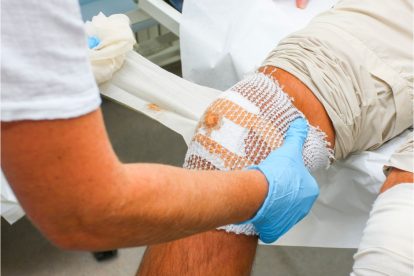
An injury care nurse concentrates on analyzing and dealing with people with injuries or abscess. They play a critical function in ensuring proper recovery by using innovative strategies and interventions tailored to private client requirements.
Key Responsibilities Include:
Assessment: Reviewing the kind and severity of wounds. Treatment Planning: Developing individualized treatment plans based on assessments. Wound Management: Applying proper dressings and treatments. Patient Education: Instructing clients on aftercare techniques to advertise healing.Why Is Wound Care So Important?
Wound treatment is vital not just for aesthetic appeals yet more importantly for wellness outcomes. Poorly handled wounds can cause serious problems, including infections or prolonged recovery times.
Becoming a Wound Care Nurse: Necessary Training and Skills
Pathways to Ending up being a Wound Treatment Specialist
To come to be an injury care registered nurse, a number of academic pathways can be pursued:

- Registered Nurse (RN) Program: Begin by completing an approved nursing program (Affiliate's or Bachelor's level). Specialized Certifications: After acquiring experience as a registered nurse, you can go after additional accreditations in injury care.
Wound Care Expert Training Programs Available
There are many training programs readily available that provide particularly to wound treatment education:
Basic Injury Treatment Training- Overview of fundamental ideas in wound management. Ideal for new registered nurses looking to enter this specialization.
- Focuses on intricate instances calling for advanced knowledge. Recommended for experienced registered nurses intending to specialize further.
- Tailored for nurses managing long-lasting wounds. Emphasizes techniques for effective persistent injury management.
Essential Skills Required for Injury Care Nurses
Clinical Abilities That Matter
Effective wound care management calls for a mix of medical experience and soft skills:
- Assessment Abilities: Capability to accurately examine wounds. Technical Effectiveness: Understanding in numerous dressing applications.
Communication Skills are Key
Strong interaction skills allow registered nurses to enlighten people effectively about their conditions:
- Explaining treatment plans clearly. Addressing patient issues compassionately.
The Significance of Continuing Education And Learning in Injury Care Nursing
Why Ongoing Training Matters
Medical techniques advance swiftly; thus constant education is extremely important:
- Keeps registered nurses upgraded on the latest treatment modalities. Equips them with emerging modern technologies in injury management.
Recommended Continuing Education Opportunities
Consider register in workshops or meetings concentrated on wound care advancements:
Annual Injury Healing Culture Conference Online webinars from reputable clinical institutionsWound Treatment Training Courses: A Closer Look
Overview of Available Courses
Various institutions offer thorough training programs covering different elements of injury treatment:
|Training course Call|Duration|Focus Location|| -----------------------------------|---------------|--------------------------------------|| Standard Wound Care|4 weeks|Foundational skills|| Advanced Wound Management|6 weeks|Complex cases|| Chronic Abscess Avoidance|8 weeks|Lasting methods|
Choosing the Right Course
When selecting a program, consider your current qualifications and career goals:
- Are you beginning fresh or seeking specialization? What specific location of injury monitoring rate of interests you?
Nursing Wound Care Training Requirements
Academic Prerequisites
To sign up in the majority of specialized training programs, you'll generally require:
A valid registered nurse license A strong foundation as a whole nursing principles
Certification Refine Explained
After finishing your training program, follow these actions to obtain accreditation as a wound care professional:
Pass the relevant qualification examination (e.g., CWCN) Maintain proceeding education and learning credit histories as required by certifying bodiesUnderstanding NDIS Wound Care Services
What Is NDIS?
The National Impairment Insurance coverage System (NDIS) provides assistance for Australians with specials needs, consisting of those who require customized health care like injury monitoring services.
Role of Nurses within NDIS Framework
Wound care nurses working under NDIS should recognize just how to browse its guidelines effectively while giving optimal patient-centered care.
Complex Wound Treatment Challenges Faced by Nurses
Dealing with Tough Cases
Complex wounds might present unique challenges such as:
- Infection control Managing comorbidities like diabetic issues
Strategies for Reliable Management
Nurses need to use evidence-based approaches when dealing with intricate cases:
Regular reassessment Collaborating with multidisciplinary groupsChronic Wounds: A Growing Worry in Healthcare
The Surge of Chronic Conditions
With a maturing population, chronic wounds are coming to be progressively common-- providing substantial difficulties within healthcare systems worldwide.
Statistics Highlighting the Problem
According to current research studies:
- Approximately 6 million Americans struggle with chronic injuries annually.
Implications for Nursing Practice
As more individuals present with chronic conditions, there's an urgent requirement for experienced specialists focusing on persistent wound management.
Evaluating Therapy Effectiveness in Wound Management
How Do You Determine Success?
Successful therapy results are evaluated through different metrics such as:
Rate of healing Patient fulfillment degreesAdjusting Therapy Plans When Necessary
Regular analyses enable nurses to make timely changes based on exactly how well people react to treatments.
Patient Education: Empowering Individuals Via Knowledge
Importance of Educating Patients About Their Condition
Empowering individuals via education boosts their ability to handle their own wellness properly-- which inevitably leads to far better outcomes!
Techniques For Efficient Client Teaching
Consider utilizing various techniques such as aesthetic help or hands-on demos throughout educational sessions.
FAQ Section
Q1: What credentials do I need to become a wound care nurse?
A1: To end up being a wound treatment nurse, you commonly require at the very least a registered nurse certificate complied with by specialized training concentrating on injury management.
Q2: How much time does it take to complete wound care training courses?

Q3: Are online programs offered for nursing wound care training?
A3: Yes! Many trustworthy establishments provide on-line training courses that permit versatility while discovering sophisticated ideas related to wound management.
Q4: Exactly how typically should I seek continuing education once I become certified?
A4: A lot of certification bodies need revival every couple of years that includes finishing proceeding education credit histories-- typically around 30 hours over three years is expected.
Q5: Can I collaborate with NDIS customers as a newly qualified nurse?
A5: Yes! Nevertheless, experience with NDIS standards will be helpful when offering services tailored especially toward people under this scheme.
Q6: What are some usual sorts of complicated wounds encountered?
A6: Typical complex wounds include diabetic person ulcers, pressure injuries (bed sores), and venous stasis ulcers among others-- each needing specific interventions!
Conclusion
In verdict, coming to be a wounded-care registered nurse entails devotion, continuous education, and solid medical skills targeted at enhancing person results through effective management techniques tailored uniquely per instance situation offered prior to them! As we have actually explored throughout this write-up-- from foundational training needs through progressed specialized needs-- it appears that seeking Click here for info this profession course not only fulfills personal specialist goals yet likewise directly influences lives positively! Whether you're interested due persistance implies looking into diverse aspects bordering "Becoming A Wounded-Care Registered nurse" today marks just one progression towards contributing dramatically within health markets throughout the globe!